About this venue
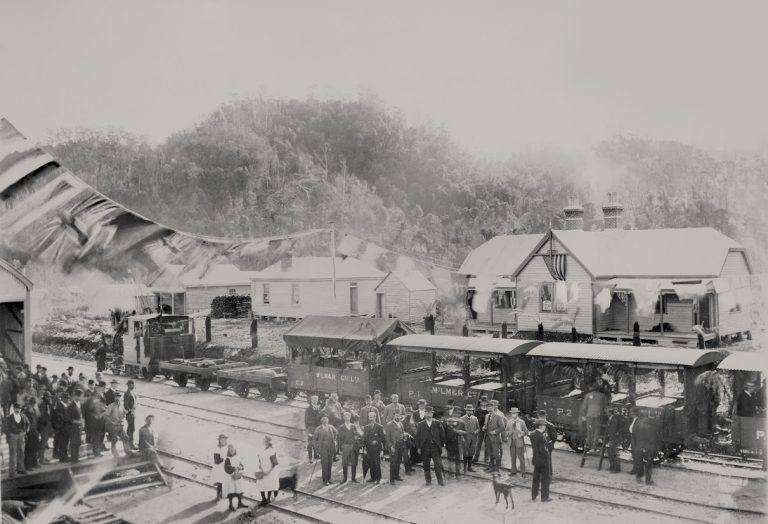
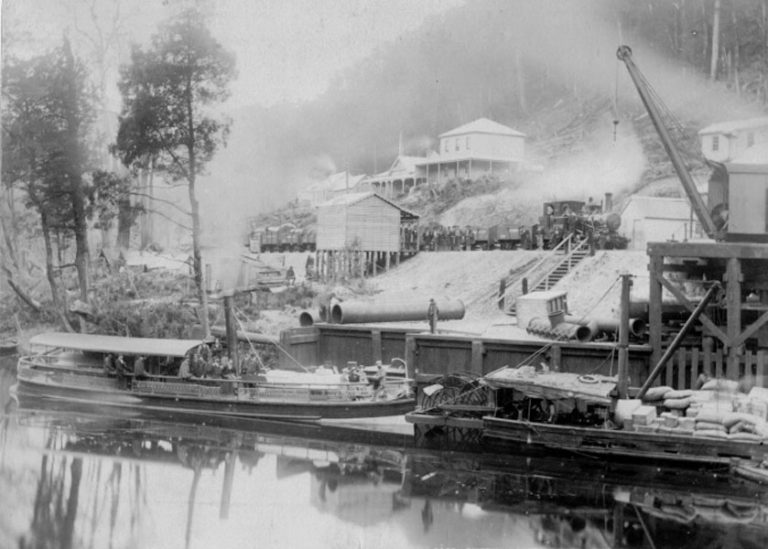
The country around Lynchford first drew attention in the early 1860s when surveyor Charles Gould passed through the region. He suspected the creeks and ridges might hold gold, but the landscape was steep, wet and difficult to reach. Few prospectors were willing to take on the conditions, so the area remained untouched for almost two decades. That changed in 1881 when Cornelius Lynch ventured into the valley. While exploring a small tributary of the Queen River, he uncovered a large gold nugget, said to be about the size of a cricket ball. The creek was later named Lynch Creek, and the discovery sat only a few kilometres from where Queenstown would eventually take shape. News of the find travelled quickly. Prospectors arrived with high hopes, convinced the valley might hold more riches. Small workings appeared and Lynchford became an early gathering point for those chasing the promise of gold. But the rush did not last. Apart from Lynch’s remarkable nugget, the field offered only modest returns. Many who arrived soon realised that the gold was not as plentiful as they had imagined. Some abandoned their claims. Others sold quickly, believing there was little more to uncover. The real twist came later, when the broader district revealed its true wealth. Beneath the mountains around Queenstown lay one of the richest copper deposits in Australia. The future Mt Lyell mine would change the region in a way no one searching for gold in the early 1880s could have predicted.
Watch West Coast Wilderness Railway
Photos